
What Is Bordeaux Wine? A Beginner’s Guide from Humble Grape
In a nutshell: Bordeaux is a famous wine region in south-west France known especially for red blends made from grapes such as Merlot, Cabernet Sauvignon and Cabernet Franc. In this beginner-friendly guide from Humble Grape, we explain the key grapes, Left Bank vs Right Bank, flavours, styles and food pairings, plus a few delicious ways to discover Bordeaux for yourself.
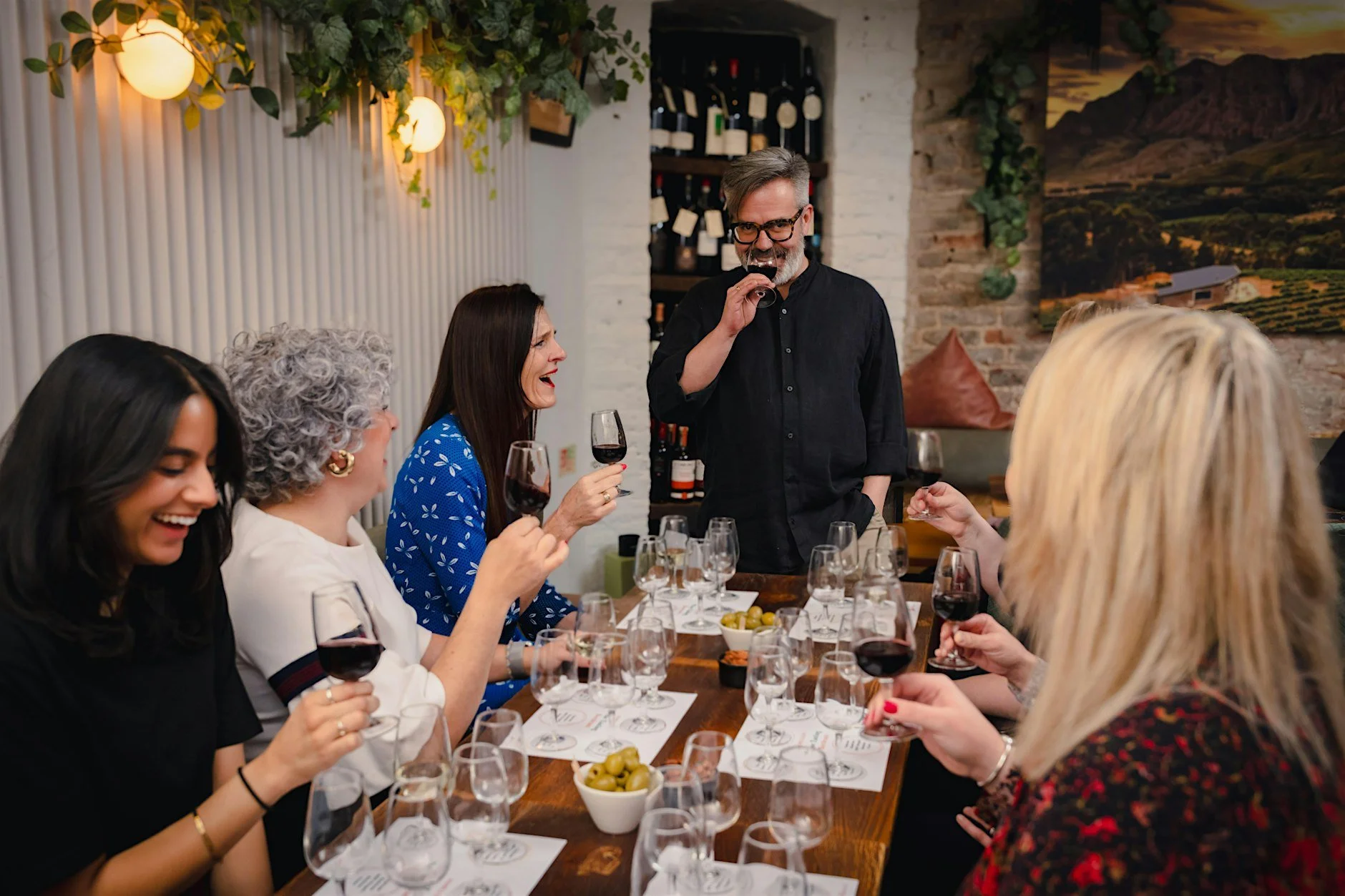
Bordeaux is one of those wine words that gets thrown around as though everyone is supposed to know what it means.
At Humble Grape, we reckon wine is much more fun when nobody expects you to have done the homework first.
So, what is Bordeaux wine?
The simplest answer is that Bordeaux is a wine region in south-west France, and Bordeaux wine is wine made within that region under its various appellations. It is particularly famous for blended red wines, although there is much more to Bordeaux than Cabernet Sauvignon, expensive châteaux and bottles that need twenty years in a cellar.
If you've ever stared at a Bordeaux label wondering where to begin, this is your plain-English guide.
Bordeaux Wine at a Glance
If you only remember five things, make them these:
Bordeaux is a wine region in south-west France.
Merlot, Cabernet Sauvignon and Cabernet Franc are its main red grapes.
Left Bank reds are generally more Cabernet Sauvignon-led.
Right Bank reds are generally more Merlot-led.
Bordeaux also produces dry white, rosé and sweet white wines.
And no, you don't need to memorise every château before ordering a glass.
Where Does Bordeaux Wine Come From?
The Bordeaux wine region surrounds the city of Bordeaux in south-west France, where the Garonne and Dordogne rivers meet to form the Gironde estuary.
Those waterways help divide the region into different wine-growing areas, which is why you'll so often hear people talking about Bordeaux's Left Bank and Right Bank.
Wine has been produced in parts of Bordeaux since Roman times, and over the centuries the region developed an international reputation for blending different grape varieties to create balanced, complex wines.
That tradition of blending is one of Bordeaux's defining features.
Rather than asking one grape to do everything, a winemaker can combine varieties that bring different qualities to the finished wine: fruit, freshness, tannin, aroma, softness and structure.
Today, winemakers around the world produce what are often called "Bordeaux-style blends", inspired by the grape combinations associated with the region.
Left Bank vs Right Bank Bordeaux: What's the Difference?
This sounds more complicated than it is.
Left Bank Bordeaux
The Left Bank includes famous areas such as the Médoc, Margaux, Pauillac, Saint-Julien and Graves.
Cabernet Sauvignon tends to play a leading role here, particularly in the Médoc.
That generally means wines with:
Blackcurrant and dark-fruit flavours
Firmer tannins
More noticeable structure
Cedar, tobacco or savoury notes as they develop
Good ageing potential
If you like reds with a bit of grip and structure, the Left Bank is a useful place to start.
Right Bank Bordeaux
The Right Bank includes Saint-Émilion, Pomerol and surrounding appellations.
Here, Merlot tends to take centre stage, often alongside Cabernet Franc.
Expect wines that can feel:
Rounder and softer
Plum and dark-cherry driven
Silky in texture
More approachable when young
It's a useful beginner's shortcut, but not a hard-and-fast rule. Bordeaux contains dozens of appellations, different soils, producers and winemaking choices, so two bottles from the same bank can still taste remarkably different.
Neither bank is "better". The fun bit is working out which you prefer.
Which Grapes Are Used in Bordeaux Wine?
Bordeaux is famous for blends, and several grapes can play a part.
Merlot
Merlot is the most widely planted red grape in Bordeaux. It typically brings ripe plum and red or black fruit, roundness and a softer texture to a blend.
Cabernet Sauvignon
Cabernet Sauvignon contributes structure, tannin, dark fruit and ageing potential. It particularly thrives on the gravelly soils associated with parts of the Left Bank.
Cabernet Franc
Cabernet Franc can add freshness, fragrance and finesse. It is particularly important around Saint-Émilion and often complements Merlot beautifully.
You may also come across Petit Verdot, Malbec and Carménère, which are permitted and historically important Bordeaux varieties but are planted in much smaller quantities.
Is Bordeaux Always Red Wine?
Not at all.
Red Bordeaux might get most of the attention, but the region produces several different styles.
Dry White Bordeaux
White Bordeaux is usually based around Sauvignon Blanc and Sémillon, sometimes with Muscadelle and other permitted white grapes.
Depending on where and how it is made, it can range from fresh, citrusy and lively to richer, textured and oak-aged.
Sweet Bordeaux
Bordeaux also produces some extraordinarily famous sweet white wines.
The best-known example is Sauternes, where Sémillon usually takes the leading role, often joined by Sauvignon Blanc and smaller amounts of other permitted grapes.
These wines can develop flavours of honey, apricot, citrus, flowers and spice while retaining enough acidity to keep everything balanced.
Rosé and Other Styles
Bordeaux also produces rosé and clairet, so seeing "Bordeaux" on a label doesn't automatically tell you the wine's colour.
It tells you where it comes from.
What Does Bordeaux Wine Taste Like?
There is no single Bordeaux flavour, but classic red Bordeaux can show notes such as:
Blackcurrant
Plum
Blackberry
Dark cherry
Cedar
Tobacco
Herbs
Spice
Oak ageing can add further savoury, vanilla, toast or woody notes.
Young Cabernet-led Bordeaux can feel quite tannic and structured. With time, those tannins can soften and the wine can develop more savoury, earthy and complex aromas.
Merlot-led wines often feel rounder and fruitier earlier in their lives.
The best way to understand those differences is, naturally, to taste them. If you're still working out which styles and grapes you enjoy, our Wine Discovery Experience is designed around your tastes, with five wines selected to help you discover something new without turning wine tasting into an exam.
How to Choose Bordeaux Wine for Beginners
Bordeaux has a reputation for being intimidating, but choosing a bottle doesn't need to involve studying château classifications over dinner.
Start With the Style You Already Like
Love softer, fruitier reds? Try a Merlot-led bottle from the Right Bank.
Prefer structured Cabernet Sauvignon with more tannin? Look towards the Left Bank.
Fancy something fresh instead? Try a dry white Bordeaux.
Don't Assume More Expensive Means More Enjoyable
Some of the world's most expensive wines come from Bordeaux, but that doesn't mean Bordeaux itself has to be expensive.
Prestigious estates command extraordinary prices, but there are also plenty of accessible wines made for drinking rather than collecting.
For a first bottle, worry less about prestige and more about whether it sounds like something you would actually enjoy.
You canexplore our Bordeaux wine collection and discover different bottles from one of the world's most famous wine regions. If you'd rather sample a selection and get a broader feel for the region, our Bordeaux Discovery Case is an easy way to taste your way through Bordeaux at home.
What Food Goes With Bordeaux Wine?
Bordeaux really comes into its own around a table.
A structured Cabernet-led red works brilliantly with richer dishes because the protein and fat in the food can soften the perception of tannin.
Try it with:
Steak
Roast beef
Roast lamb
Beef burgers
Sunday roast
Mature hard cheeses
Softer Merlot-led Bordeaux can also be brilliant with mushroom dishes, roast vegetables and comforting slow-cooked food.
Burger & Bordeaux at Humble Grape
If you'd rather put the pairing theory into practice, our Burger & Bordeaux lunch offer brings together a burger and a glass of Bordeaux for a relaxed lunch at selected Humble Grape wine bars.
It's exactly the sort of pairing that shows why Bordeaux works so well with food: plenty of savoury richness from the burger alongside the fruit, structure and tannin of the wine.
For white Bordeaux, think seafood, grilled fish, goat's cheese, fresh vegetables and lighter dishes.
Sweet Bordeaux such as Sauternes can work beautifully with fruit-based desserts and blue cheese, while also creating some surprisingly good savoury pairings.
How Should You Serve Bordeaux Wine?
For red Bordeaux, slightly cool is usually better than warm.
You don't need to obsess over the exact temperature, but somewhere around 16 to 18°C is a useful guide for many reds.
If your bottle has been sitting in a very warm room, giving it a little time in the fridge before serving can help.
Young, structured Bordeaux may also benefit from being opened in advance or decanted, allowing a little air to soften the wine and open up its aromas.
Most importantly, taste it and see what you prefer.
Bordeaux Wine Tasting in London
Think you know your Bordeaux? Or maybe you just know how to spot a good lie.
On Tuesday 29 September, we're bringing Bordeaux wine, dinner and a little creative storytelling together at Humble Grape Fleet Street for Call My Wine Bluff with Libby Brodie.
Libby Brodie and our Head of Wine, Carlos Santos, will guide you through a selection of Bordeaux reds and whites over dinner. Each wine comes with two stories about its origins, the château or how it ended up in your glass.
There's just one catch: only one story is true.
Your mission is to decide who's telling the truth and who's bluffing.
It's part Bordeaux wine tasting, part game night and entirely an excuse to eat excellent food while watching two people try to out-nonsense each other.
What to expect:
Dinner and a Bordeaux wine tasting
Bordeaux reds and whites to discover
Hosted by Libby Brodie and Humble Grape Head of Wine Carlos Santos
Two stories with every wine: one true, one bluff
Your chance to decide who's fibbing
Tuesday 29 September6:30–8:30pmHumble Grape Fleet Street, 1 St. Bride's Passage, London EC4Y 8EJ
No wine expertise required. Just bring your friends, trust your instincts and see if you can Call My Wine Bluff.
Book your place for Bordeaux: Call My Wine Bluff with Libby Brodie
Discover Bordeaux Wine at Humble Grape
Whether you'd rather taste Bordeaux over dinner, explore a bottle at home or let our team introduce you to something completely new, there are plenty of ways to get started.
Start with our dedicated Bordeaux wine page, where you can explore more of what we're pouring, pairing and celebrating from the region.
You can also browse our Bordeaux wine collection, discover a selection at home with our Bordeaux Discovery Case, enjoy Burger & Bordeaux, or book a Wine Discovery Experience and let us build a tasting around what you actually enjoy drinking.
Or visit one of our London wine bars and ask the team for a Bordeaux recommendation.
At Humble Grape, we work with independent winemakers who put sustainability at the heart of what they do, with bottles spanning organic, biodynamic, natural and low-intervention approaches.
No raised eyebrows. No wine exam. Just more good bottles to discover.
Bordeaux Wine FAQs
Is Bordeaux always red?
No. Bordeaux is famous for red wine, but the region also produces dry white, sweet white and rosé wines, among other styles.
Which grapes are in Bordeaux wine?
The principal red grapes are Merlot, Cabernet Sauvignon and Cabernet Franc, with Petit Verdot, Malbec and Carménère also used. Important white varieties include Sauvignon Blanc, Sémillon and Muscadelle.
Is Bordeaux wine a blend?
Many Bordeaux wines are blends, particularly the reds, but not every Bordeaux bottle has to contain several grape varieties. Blending is nevertheless one of the region's defining traditions.
What is the difference between Left Bank and Right Bank Bordeaux?
As a simple rule, Left Bank Bordeaux tends to be more Cabernet Sauvignon-led, producing structured, tannic reds. Right Bank Bordeaux tends to be more Merlot-led, resulting in rounder, softer wines.
There are plenty of exceptions, so think of it as a starting point rather than a strict formula.
Is Bordeaux wine expensive?
Some Bordeaux wines are extremely expensive, particularly bottles from prestigious classified estates. But Bordeaux also produces a huge range of more affordable wines suitable for everyday drinking.
What's the difference between Bordeaux and Burgundy?
They are two different French wine regions with very different traditions.
Bordeaux is famous for blended red wines based around grapes such as Merlot and Cabernet Sauvignon. Burgundy is best known for red wines made from Pinot Noir and white wines made from Chardonnay.
A useful shortcut: Bordeaux is famous for the blend; Burgundy is famous for individual grape varieties and vineyard sites.
What is the best Bordeaux wine for beginners?
There isn't one universal best bottle. If you prefer softer, fruitier reds, start with a Merlot-led Right Bank wine. If you enjoy firmer, more structured reds, explore Cabernet Sauvignon-led Left Bank Bordeaux.
Or try a few side by side. That's considerably more fun than memorising the map.
Where can I try Bordeaux wine in London?
You can discover Bordeaux at Humble Grape through ourWine Discovery Experience, enjoy ourBurger & Bordeaux offer, explore our dedicatedBordeaux page, or join us forBordeaux: Call My Wine Bluff with Libby Brodie at Humble Grape Fleet Street.
